Mold Removal vs. Mold Remediation: What Columbus Homeowners Need to Know in 2026
Many Columbus homeowners searching for mold help assume "mold removal" and "mold remediation" mean the same thing. They do not, and understanding the difference can determine whether your mold problem truly goes away or quietly returns.
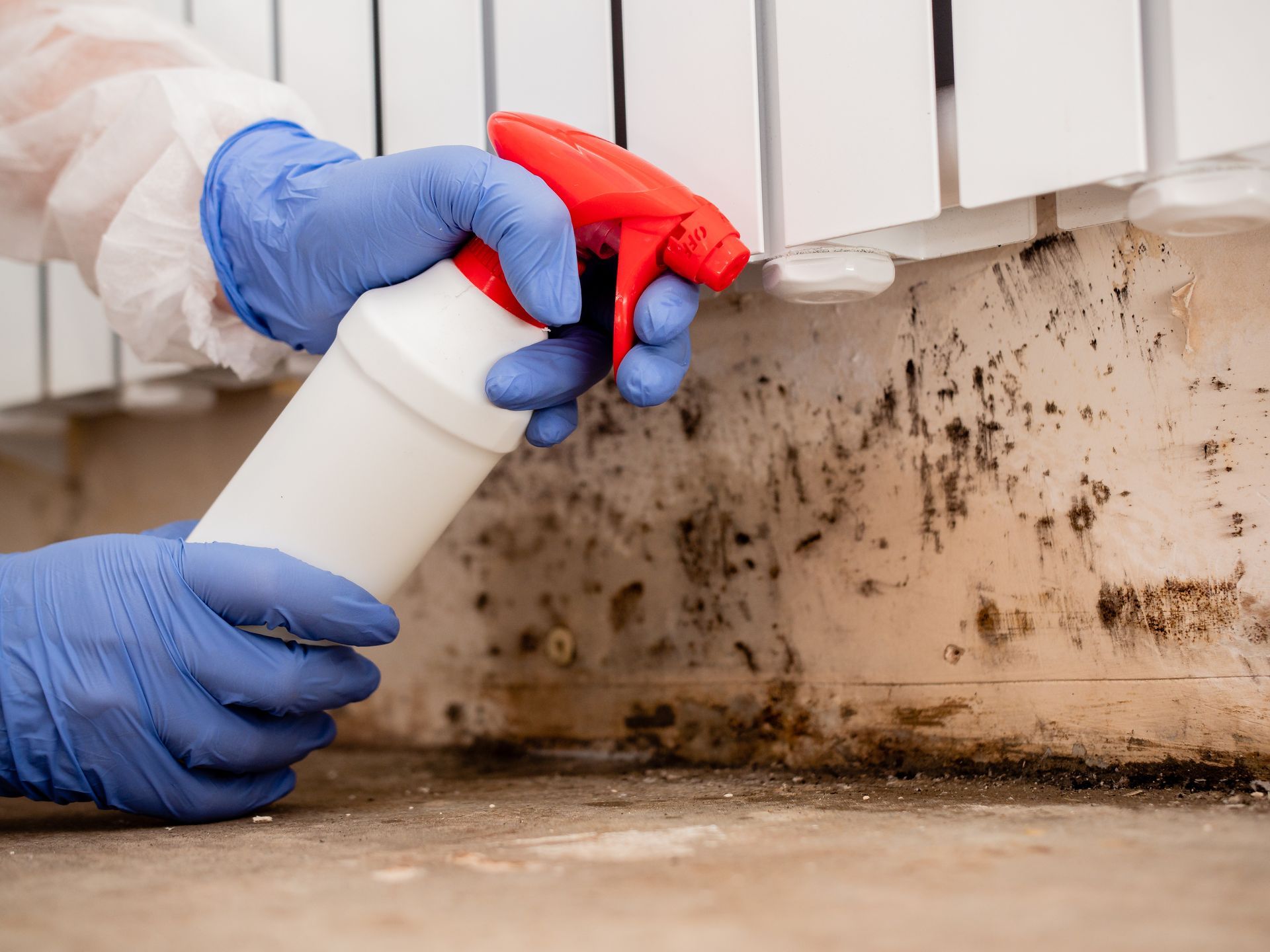
What Is the Difference Between Mold Removal and Mold Remediation?
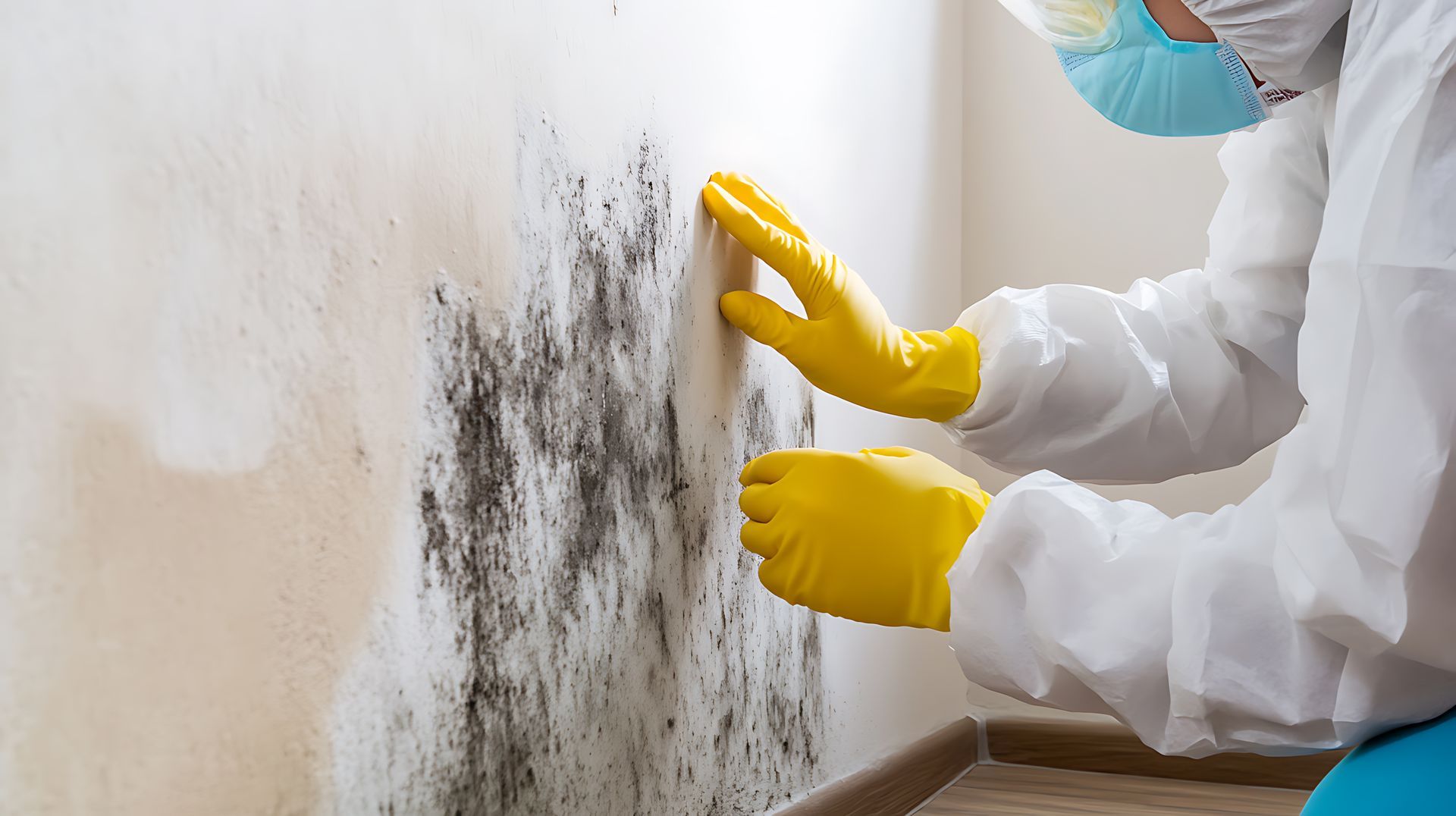
Mold removal refers to surface-level cleaning of visible mold growth. It targets what you can see and does not necessarily address the conditions that caused mold to grow in the first place.
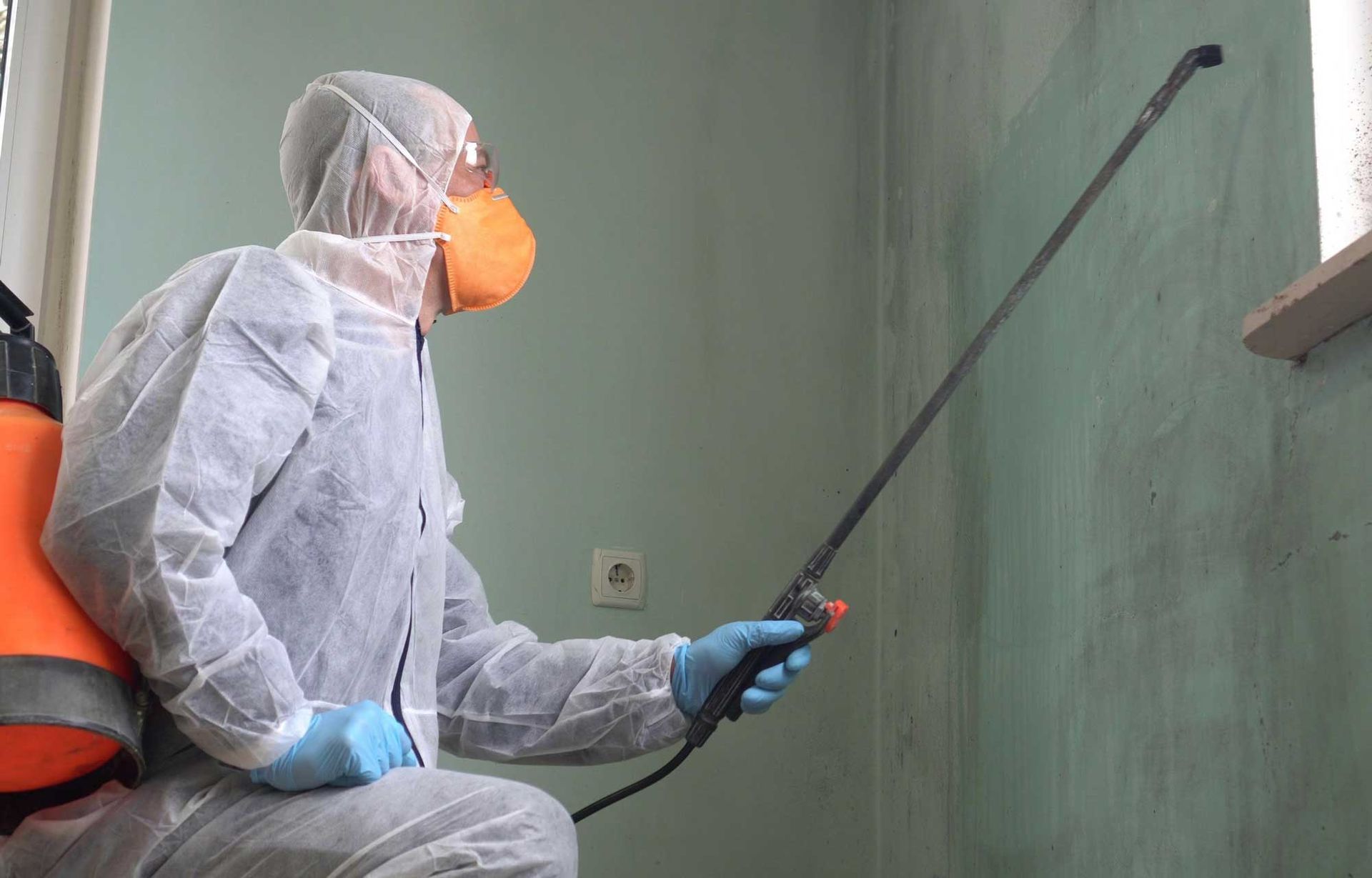
Mold remediation goes further. It involves identifying the moisture source, containing affected areas to prevent spores from spreading, removing contaminated materials, and treating surfaces to reduce regrowth. The goal is to bring mold levels back to a normal indoor baseline, not just eliminate visible growth.
Think of it this way: mold removal treats the symptom, while mold remediation addresses the cause and the symptom together.
Why Does the Distinction Matter for Columbus Homeowners?
Columbus homeowners face specific mold risk factors. Central Ohio's hot, humid summers and wet spring seasons push indoor humidity into ranges where mold thrives. Older neighborhoods like Clintonville, Merion Village, and the Near East Side often have aging basements, crawl spaces, and attics prone to moisture intrusion.
Without correcting the moisture source, mold returns regardless of how thoroughly visible growth was cleaned. A surface cleaning in a Columbus basement dealing with foundation seepage, for example, is unlikely to produce lasting results.
Common Mold Causes in Columbus, OH, Homes
Many Central Ohio mold cases trace back to a few recurring issues.
▸ Poor basement waterproofing allowing groundwater intrusion during heavy rain.
▸ Inadequate attic ventilation in older homes, trapping humidity near roof decking.
▸ HVAC condensation leaks common during summer cooling season.
▸ Bathroom and kitchen exhaust fans venting into wall cavities instead of outside.
When Is Surface Mold Removal Enough?
Mold removal alone may be appropriate when mold is confined to a very small, non-porous surface and the moisture source has already been fully corrected. However, if mold covers a large area, has penetrated porous materials like drywall or wood framing, or if the moisture cause is unclear, full remediation is the appropriate path.
What Does a Proper Remediation Process Include?
A qualified remediation process typically includes the following steps.
▸ A professional inspection to assess visible and suspected mold growth throughout the property.
▸ Containment of affected areas to prevent spores from spreading.
▸ Safe removal of contaminated porous materials such as drywall, insulation, or carpeting.
▸ Cleaning and drying of structural components and remaining surfaces.
▸ Identification and correction of the moisture source driving mold growth.
▸ A follow-up assessment to confirm the area has been adequately addressed.
How Do You Know Which Approach Your Home Needs?
A professional inspection is the most reliable way to determine the right course of action. Mold can grow inside wall cavities, beneath flooring, and in areas not visible during a casual walkthrough. A trained inspector can assess the scope of the problem, identify moisture contributors, and help you understand what level of response is warranted. You can also find and review the business on ProCheck Engineering, Inc.<https://share.google/pAqWgTSJUicwezR7f> on Google.
Take the Right Step Toward a Mold-Free Home
If you suspect mold in your Columbus, OH, home, do not wait. ProCheck Engineering, Inc. provides professional mold inspections and connects homeowners with the right path forward, whether that means a targeted cleanup or a full
mold remediation service. Call
(614) 841-0217 to schedule an assessment, or
contact the team online
to get started.