Understanding Square D Breakers: What Homeowners in Upper Arlington Need to Know
ProCheck Engineering
A Real Inspection Insight from Upper Arlington, Ohio
During a recent home inspection in Swansea, Upper Arlington, an important electrical detail came up that many homeowners—and even some contractors—misunderstand: how Square D breaker panels handle multiple wires.
This is a small detail that can have big implications for safety, code compliance, and home value.
What Makes Square D Breakers Unique?
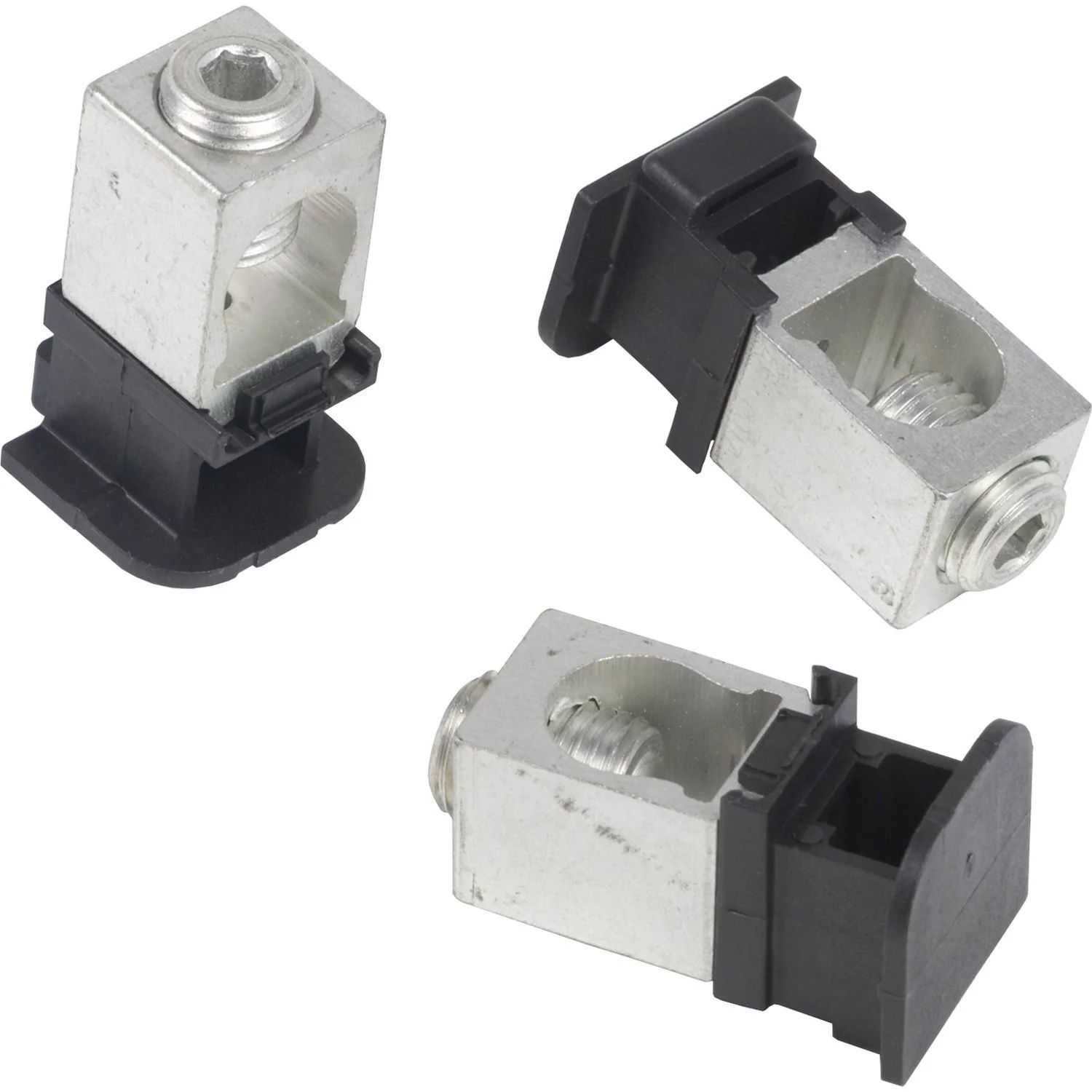
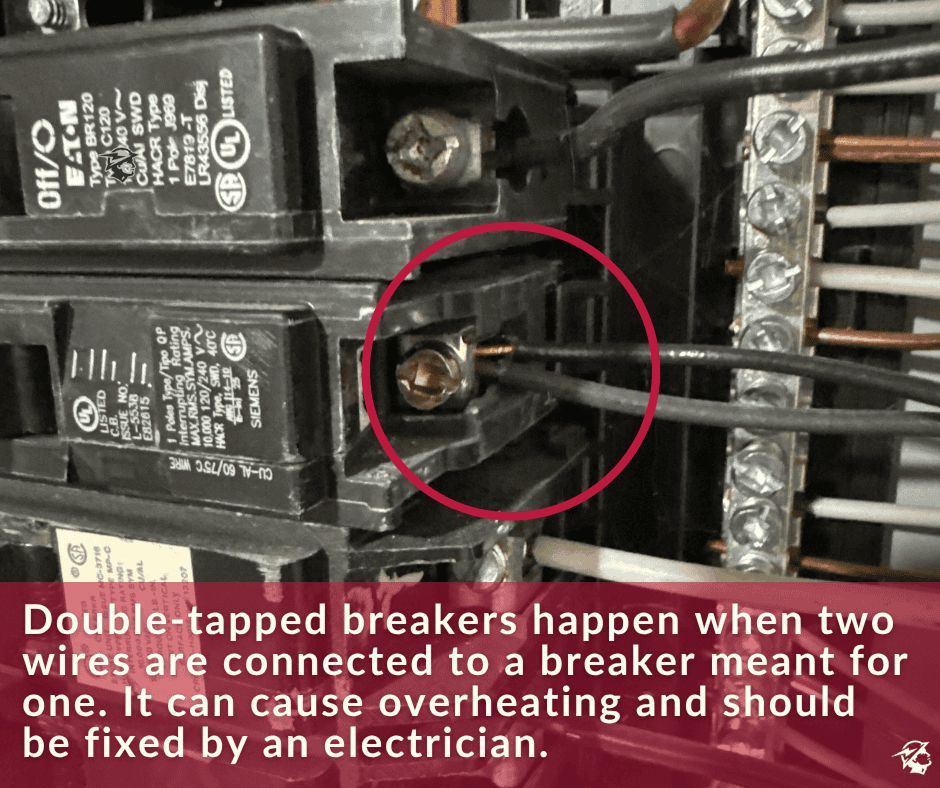
Many Square D breakers are designed with a saddle terminal beneath the screw. This saddle is engineered with two grooves, which may allow for two wires to be connected—but only under very specific conditions.
The Most Common Misconception
A frequent mistake we see in homes across Upper Arlington and Columbus is assuming:
“If there are two wires under one breaker screw, it must be okay.”
That is NOT always true.
In fact, improper wiring—often called a “double tap”—can lead to:
- Overheating
- Loose connections
- Increased fire risk
- Failed home inspections
When Are Two Wires Allowed?
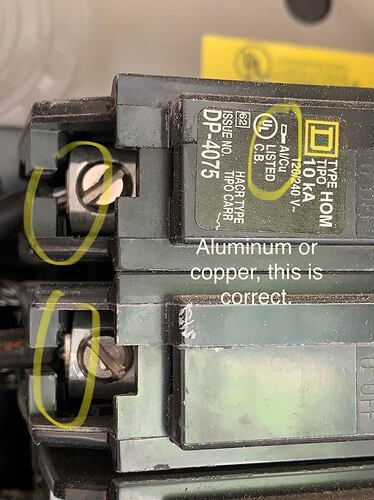
A Square D breaker can safely hold two wires ONLY if ALL of the following are true:
1. The Breaker is Clearly Labeled
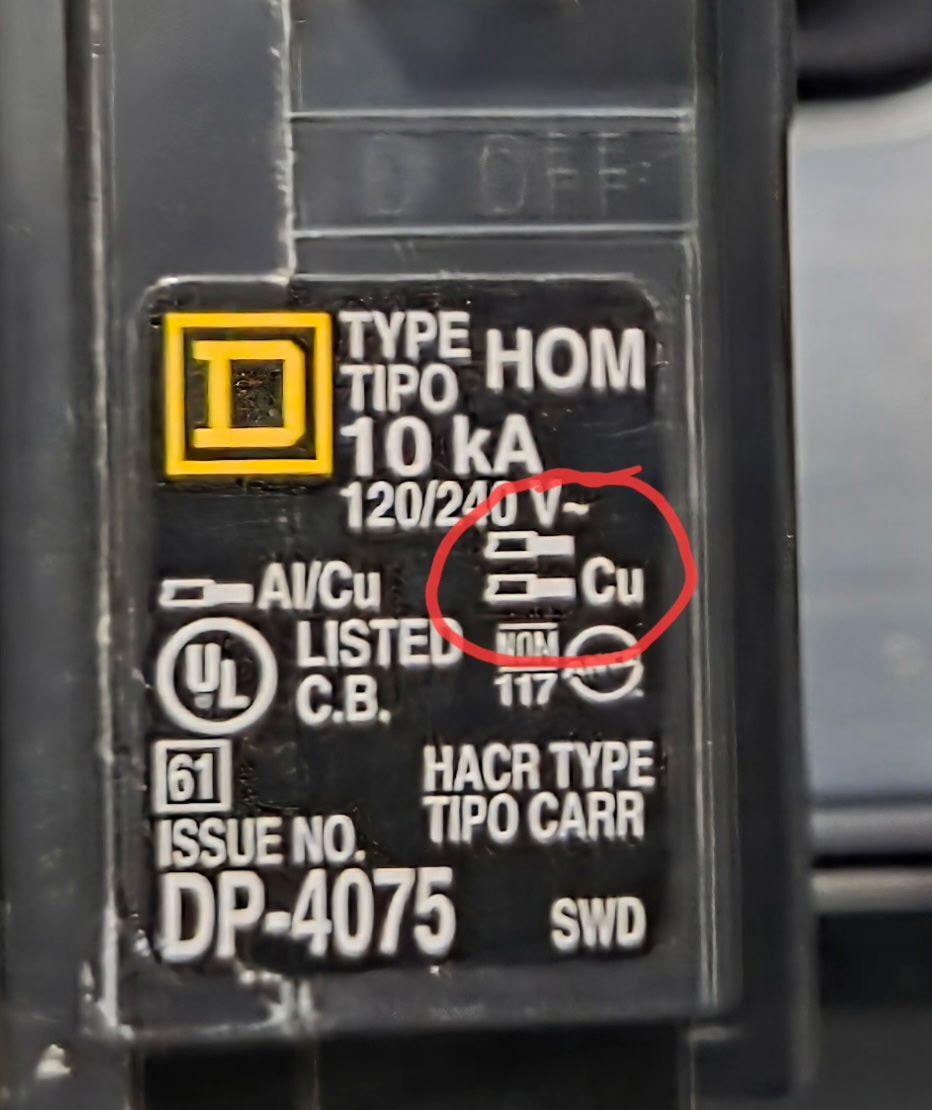
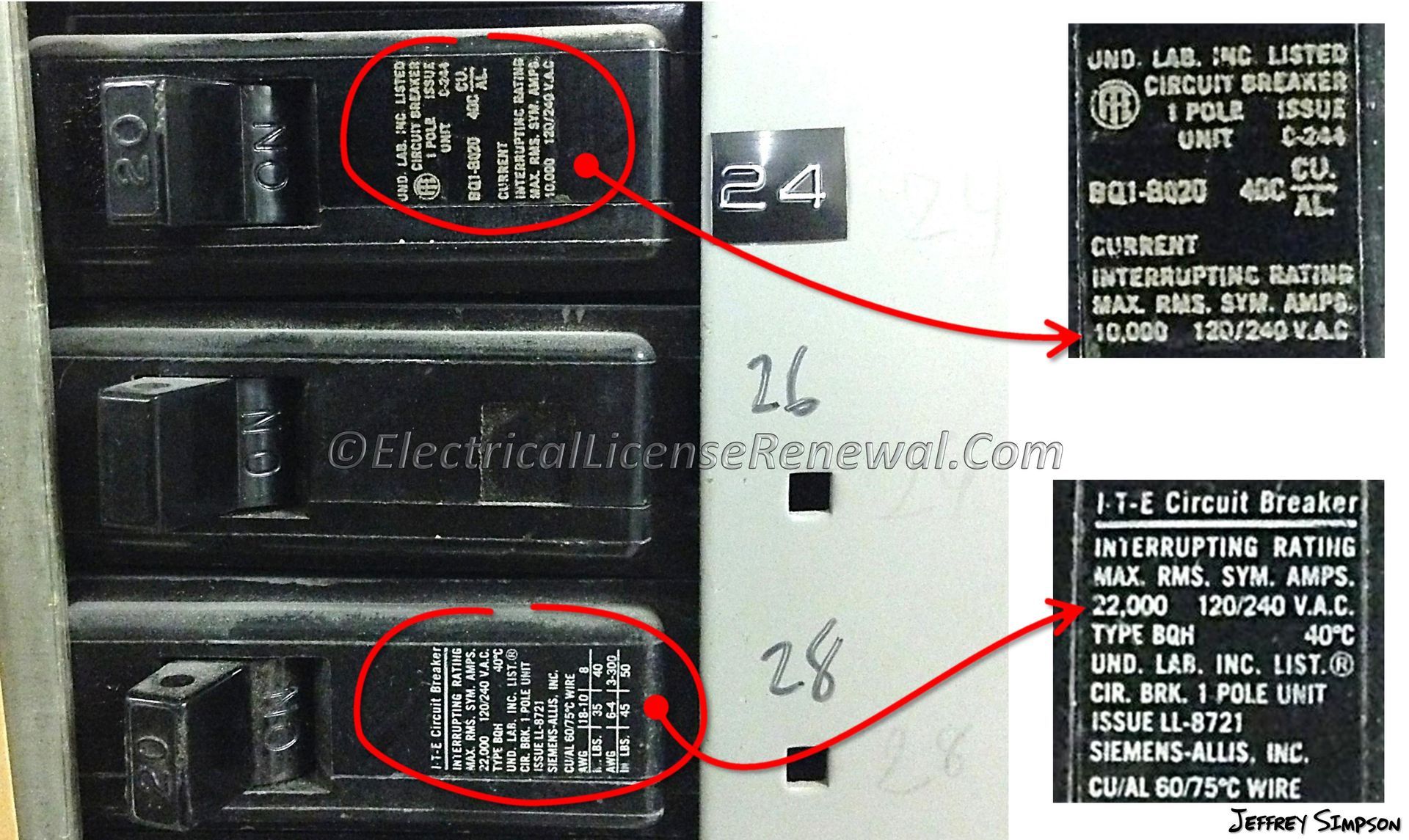
Look for markings such as:
- “2 Cu” (meaning two copper wires are permitted)
If this label is not present, only one wire is allowed—no exceptions.
2. Both Wires Are Copper (Cu)
- Mixing materials (like copper and aluminum) is not permitted
- This can cause corrosion and unsafe connections
3. The Wires Are the Same Gauge
- Both wires must be the same size (thickness)
- Each wire must sit properly in its own groove of the saddle
When It’s NOT Allowed
If the breaker:
- Has no labeling for two wires
- Has mixed wire types
- Has different wire sizes
- Has both wires crammed under one side of the saddle
Then it is considered improper and unsafe.